
Plantation Communities Wiped Out And Isolated By Heavy Rainfall And Landslides Caused By Cyclone Ditwah

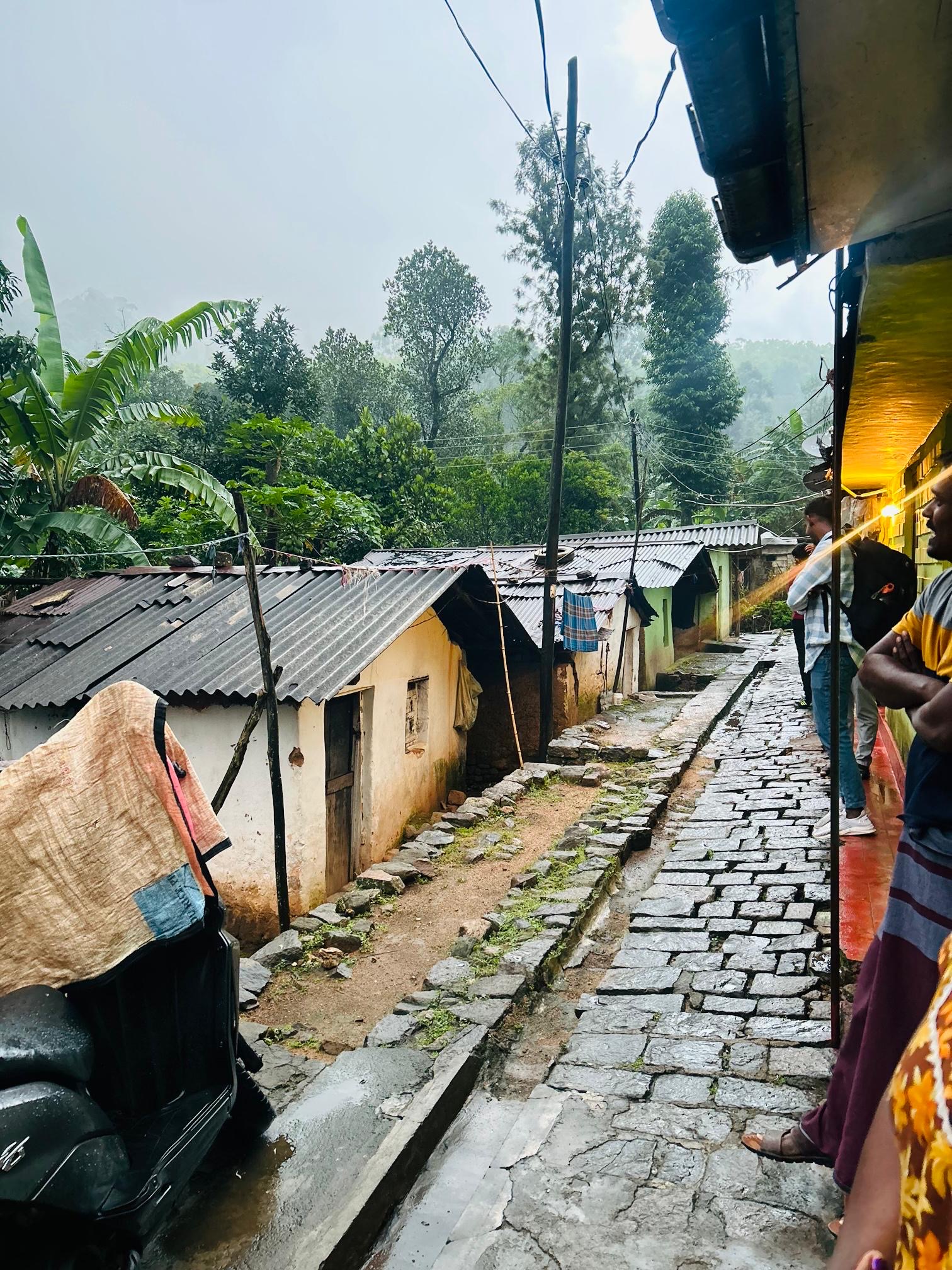
The devastating impact of Cyclone Ditwah has triggered an immense humanitarian crisis in Sri Lanka’s central highlands. Key tea plantation communities have suffered catastrophic damage due to the prolonged rainfall associated with the cyclone. This saturated the mountainous terrain, leading to massive, deadly landslides that have not only claimed lives but have also crippled the infrastructure essential to one of the nation’s key industries. The disaster has disproportionately affected vulnerable tea workers, many of whom reside in high-risk zones.
One of the most tragic incidents occurred near the Kabaragala mountain, where the mountain slope collapsed, destroying the local tea plantation community’s homes and livelihoods. This disaster has directly affected nearly 360 people, all of whom have been rendered homeless. The confirmed death toll stands at 14 lives, including a pregnant mother and her 15-year-old son.
Currently, the survivors are sheltering in two locations: 220 people are housed in a Craighead Tamil Vidyalayam, and 140 are at a nearby Kovil famously called the “Raakshawa Kovil”, according to the source. Reports also indicate that their basic necessities are being met “scarcely”
The crisis in Kabaragala extends far beyond, with several other tea estates now completely isolated. The extreme weather severed all access and communication to the Pitamaruwa, Roeberry, and Roeberry Upper Division Estates in Badulla. The situation for the residents of these vital plantation areas remains unknown, raising grave concerns among local authorities and aid workers.
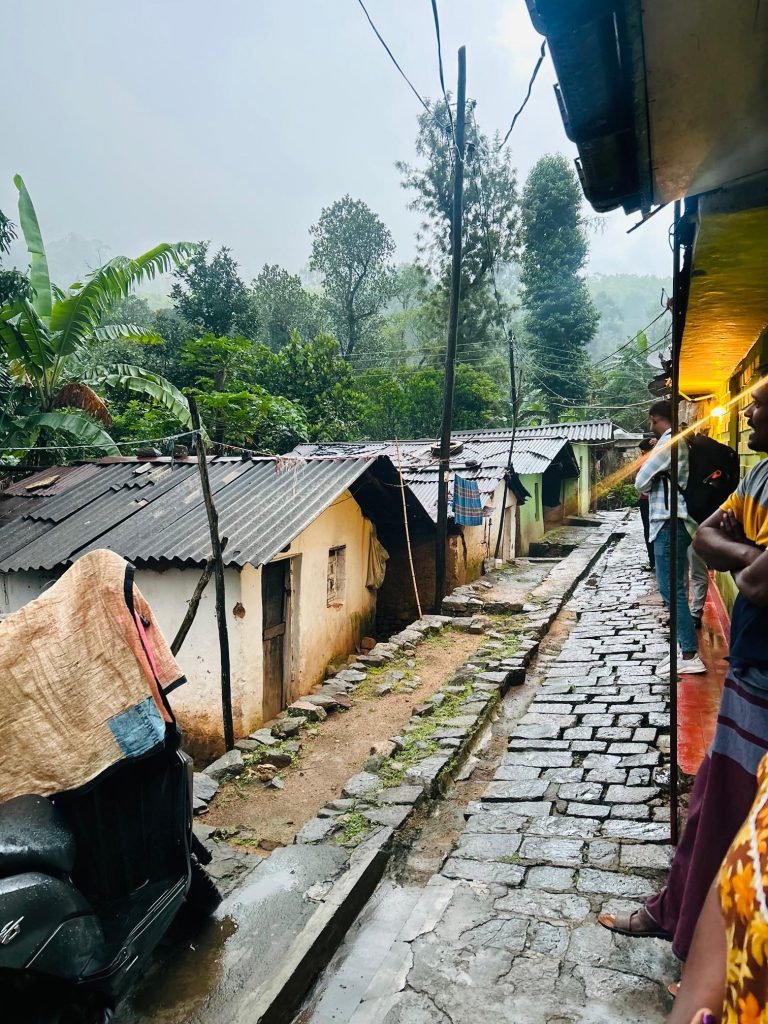
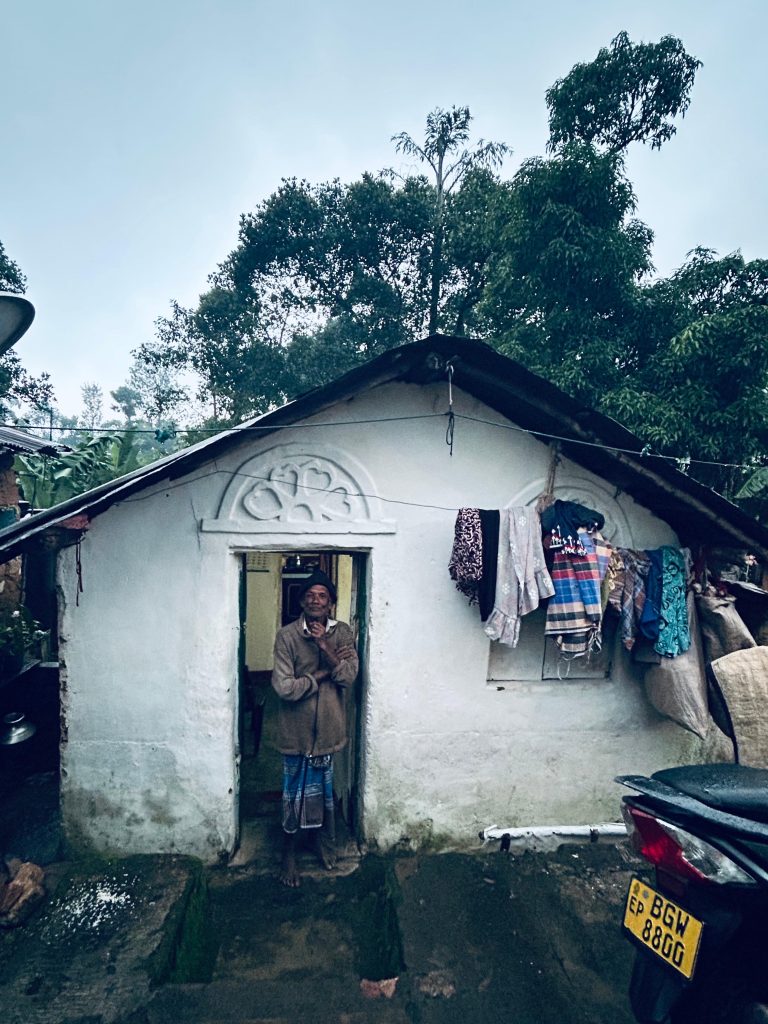
A similar, urgent situation is faced by a group of tea plantation workers trapped in the upper part of the mountain at the Uplands Tea Factory in Sarasavigama. Rescue operations are underway to reach them, but the scale of the isolation caused by Ditwah’s devastation poses a significant challenge. These cut-off communities represent a looming humanitarian disaster, as rescue teams race to clear debris and provide aid to areas completely isolated.
The disaster highlights the urgent need for both immediate relief and long-term support for these essential yet vulnerable tea plantation communities. Their loss of homes and ability to work poses a significant economic and humanitarian challenge. Authorities are appealing for national and international assistance focused on delivering food, medical supplies, and shelter materials. Specialised teams are also needed to breach the land barriers and reach the numerous communities whose plight remains entirely unknown due to the devastation caused by Ditwah.


 FAQs
FAQs